
Our Reviews




Website Design Services
With a strong business development background and highly creative team we provide completely bespoke web design in Peterborough for businesses and organisations who are looking to grow.
Website Design Agency
As a web design agency we recognise the importance of site design and UX design ( user experience ). If you are looking to get more visitors to your website in 2022 contact us.
Our digital team comprises of creative web designers, SEO consultants, digital content creators and optimisation experts. Don’t just take our word for it – Click here to check out our work.
WordPress Websites
WordPress websites designed and built with a purpose click here for more information
Find out if your website is failing in this free comprehensive report download now
E Commerce Websites
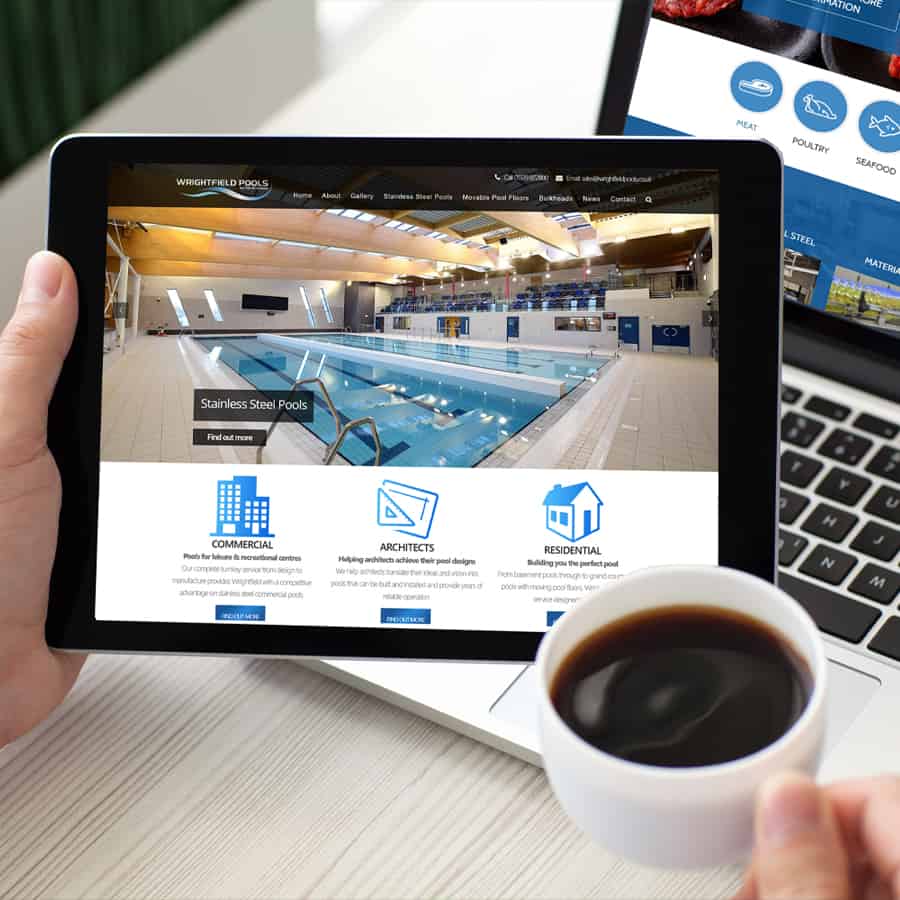
Whatever the complexity of the product or service you sell, we can develop an Ecommerce websites to sell the items. Our Sell IT approach is a unique method that we use to ensure that the Ecommerce site is specified and developed in line with the business objectives. If you are looking at an e commerce site then going through Sell IT process will ensure that your E commerce site is developed in the shortest possible time and the lowest cost.
For more information on Ecommerce websites ( WooCommerce / Shopify / Magento) click here
Keeping Your Website Updated & Secure
Your website is under continuous attack. At some point, it’s going to get hacked and when it does your site will be infected with Malware. Malware will let criminals control your site in order to send out spam emails, use your site as part of DDoS attacks on other bigger business, or just deface it.
With a secure and protect your site will block suspicious logins from attackers. This reduces the chance of your site being hacked with the malicious code added to your site or your content being changed.
With a secure and updated site your site will speed up. By having the latest Plugins and a spring clean tune up will result in your website becoming faster. Faster websites engage your visitors for longer and rank higher in a Google search results.
Updating WordPress and Plugins closes security holes. As hackers find ways into WordPress, WordPress block these holes and they release updates to the WordPress software. Old versions are easy to hack because these holes become well known. Updates to the latest WordPress will block these kinds of attacks.
There is practically no website downtime during upgrades (downtime could be minutes) as the majority of these updates are done in the background. For more information on Secure & Protect click here

Search Engine Optimisation
Once you have a great website you then need to have prospective customers visit it. Making sure that your can be found within the search engines as easily as possible is important.
All of our websites are designed to be as search engine friendly as possible. A lot of rubbish is spoken about and promised on SEO. There are other activities that can be completed to improve your organic rankings. Find out more about Optimise our SEO improvement service.
Click here for more information on SEO dispelling many of the myths and vagaries
For more information on How To Leave A Google Places Review click here
FREE Website Performance Check
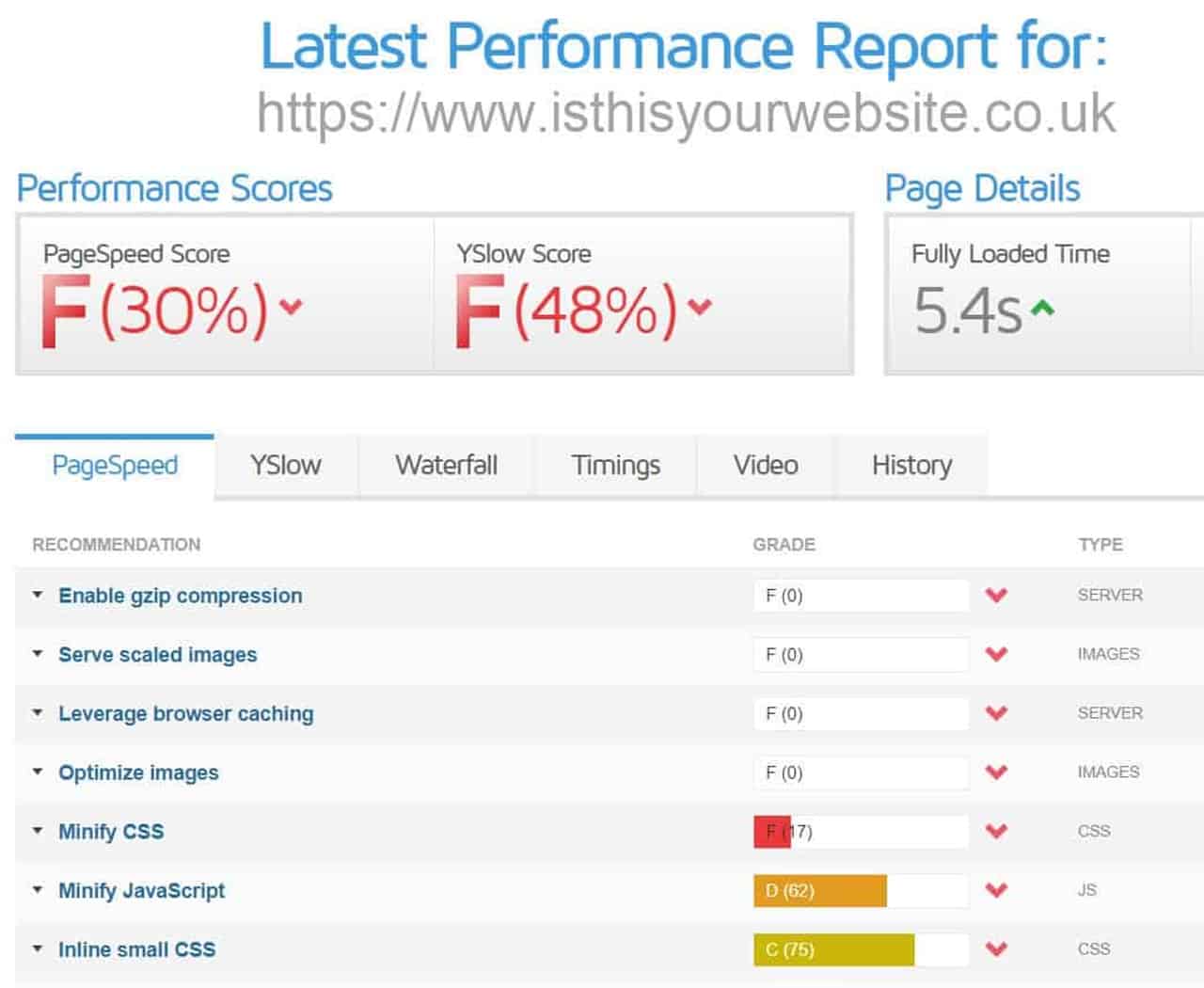
Find Out If Your Website Performance Is Losing Your Business
- Speed plays an important part in website performance how well does yours perform on desktop and mobile?
- Is your site mobile responsive if not how many customers are you losing?
- Is your site HTTPS?
- With GDPR in place is your site legally compliant?
- Find out about loads more website performance issues
- Contact Andrew Goode FCIM to discuss your website design
Improve Your Website Performance Today Call 01733 361729
Website Design & WordPress Web Design
In todays millennial world it appears that anyone can build a website, but not many website agencies help you build your business. We offer a wide range of marketing and sales, design-led solutions. Whether you are an established business who needs an injection of professional and creative marketing or a small growing business. We will develop a website tailored to your specific businesses needs.
Working with you we help develop your business to achieve the next level of business growth whilst maintaining your brand integrity.
A crucial part of website design is to listen to and understand your needs. We are confident that the finished website is not only exceptionally functional, but good looking and impactful too. Our creative and practical WordPress CMS platforms give you the control you need to easily update or edit content at the touch of a button.
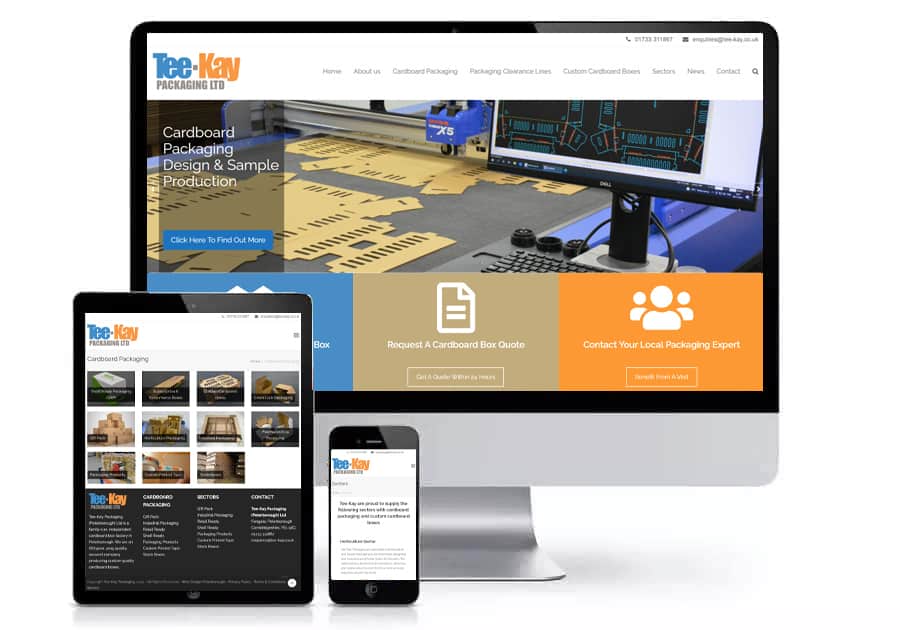
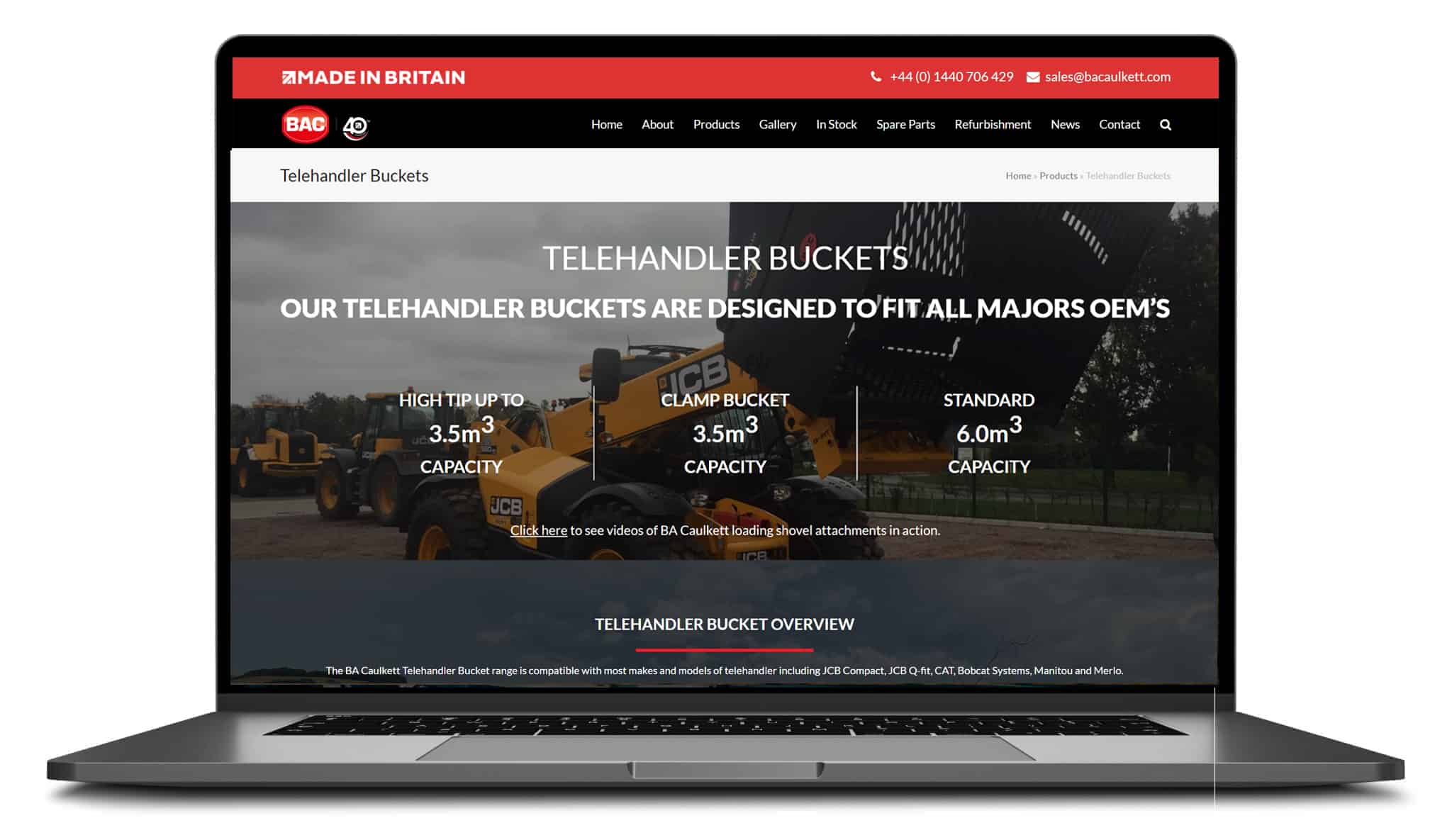
Take a tour of our website portfolio to see examples of sites created. Remember each of these sites is designed specifically. so the site built for you wont be built from a template
WordPress Web Development
Developing an effective marketing and sales strategy is crucial for the success of any business. It can help a business reach its target audience, build brand awareness, and drive sales. While some businesses may attempt to develop their own strategies in-house, there are several benefits to using a professional to develop your marketing and sales strategy.
Working With A WordPress Expert
Working with a professional to develop your marketing and sales strategy can offer many benefits, including expertise, objectivity, efficiency, focus, measurable results, and a competitive advantage. By investing in a professional, your business can create a strategy that is tailored to your specific needs, and achieve long-term success.
Our smart WordPress website solutions ensure that your website continues to be accessible on the ever-changing range of monitors, laptops, smartphones and mobile devices.
We utilise a wide variety of development tools to optimise your customers user experience. By strategically working with you we design a website around the user experience required by your customers to ensure they have a great website customer journey
By keeping in touch with current trends and technological developments, we ensure that your website design never lags behind the times.
We have specific industry experience and specialise in website design for manufacturing marketing














Website Design FAQ’s
FAQ 1: How important is bespoke website design for an SME manufacturer compared to using templated solutions?
For an SME manufacturer, bespoke website design is typically more than an aesthetic preference; it is a functional requirement tied directly to operational efficiency and commercial performance. Unlike generic templates, a bespoke build allows tight alignment with manufacturing-specific workflows such as product configurators, CAD file downloads, technical specification libraries, and integration with ERP or MRP systems.
From a technical standpoint, a custom architecture enables optimised information hierarchy, schema markup for industrial products, and tailored performance tuning such as lazy loading for large technical drawings or BIM files. While templated solutions may offer lower upfront costs, they often introduce constraints around scalability, database structuring, and API integrations, which can become limiting as the business grows or diversifies its product lines.
FAQ 2: Can AI-generated website design tools adequately represent complex manufacturing businesses?
AI-driven design platforms have advanced significantly in generating layouts, content, and even code, but they tend to generalise rather than specialise. For manufacturing SMEs, where differentiation often lies in nuanced capabilities such as tolerances, materials science expertise, or compliance certifications, AI-generated designs can lack the domain-specific depth required.
Technically, AI tools rely on pattern recognition across large datasets, which means they may not accurately model complex user journeys such as distributor portals, RFQ (Request for Quotation) workflows, or multi-stage product selection processes. Additionally, AI-generated code can sometimes lack optimisation for accessibility standards, semantic HTML structure, or performance under industrial-scale content loads.
As a result, AI can be a useful prototyping tool, but it should be supplemented with human-led design and engineering for production-grade websites.
FAQ 3: What are the risks of relying on AI for website content and SEO in the manufacturing sector?
The primary risk lies in content homogenisation and technical inaccuracy. AI-generated content often lacks the specificity required for niche manufacturing sectors, which can lead to vague or even misleading technical descriptions.
From an SEO perspective, search engines increasingly prioritise expertise, authority, and trustworthiness (E-A-T), particularly for B2B and industrial queries. AI-generated text may fail to demonstrate genuine subject-matter expertise, especially if it does not incorporate proprietary knowledge or validated engineering data.
There is also a risk of duplication, as similar prompts can produce structurally similar outputs across different websites, reducing differentiation in search rankings. Technically, metadata, structured data implementation, and keyword mapping still require deliberate strategy; AI tools may not align these elements with actual search intent in industrial procurement contexts.
FAQ 4: How does AI impact the development workflow for a manufacturing website?
AI can streamline certain stages of the development lifecycle, particularly in wireframing, code scaffolding, and automated testing.
For example, AI-assisted tools can generate initial HTML/CSS structures, suggest component-based architectures, or even identify potential performance bottlenecks through predictive analysis. However, in a manufacturing context, the development workflow often involves complex integrations such as product databases, inventory systems, and customer-specific pricing models.
These require precise API orchestration, secure authentication layers, and robust data validation, areas where AI-generated outputs may require significant refinement. In practice, AI functions best as an augmentation layer within a developer-led workflow, accelerating repetitive tasks while leaving system architecture, security, and integration logic to experienced engineers.
FAQ 5: Should SME manufacturers be concerned about AI replacing web designers and developers?
AI is unlikely to replace skilled web designers and developers in the manufacturing sector, but it will change the nature of their roles. The complexity inherent in industrial websites, including compliance requirements, technical documentation management, and bespoke user journeys, necessitates human oversight and domain expertise.
What AI does is shift the focus from manual execution to higher-level problem-solving, such as system design, user experience optimisation, and data integration strategy. Designers and developers who understand both digital technologies and manufacturing processes will remain essential, as they bridge the gap between automated outputs and real-world business requirements.
In essence, AI acts as a force multiplier rather than a replacement, enhancing productivity while increasing the importance of specialised knowledge.