
Armco Barrier Supplies
Key Features


Community Dental Services (CDS) is a ‘referral’ only dental service and their patients are referred to them by High Street Dentists. Most of their patients come to them because they are unable to be treated in a General Dental Practice because of learning difficulties, mental health issues or very severe dental anxiety. Sometimes patients are referred to them because they need specialist or complex care and are referred back to their usual dentist after their course of treatment.
Community Dental Services, is a Specialist Dental Provider, who accept Referrals for Treatment only. Unfortunately they are not able to offer a direct NHS service.
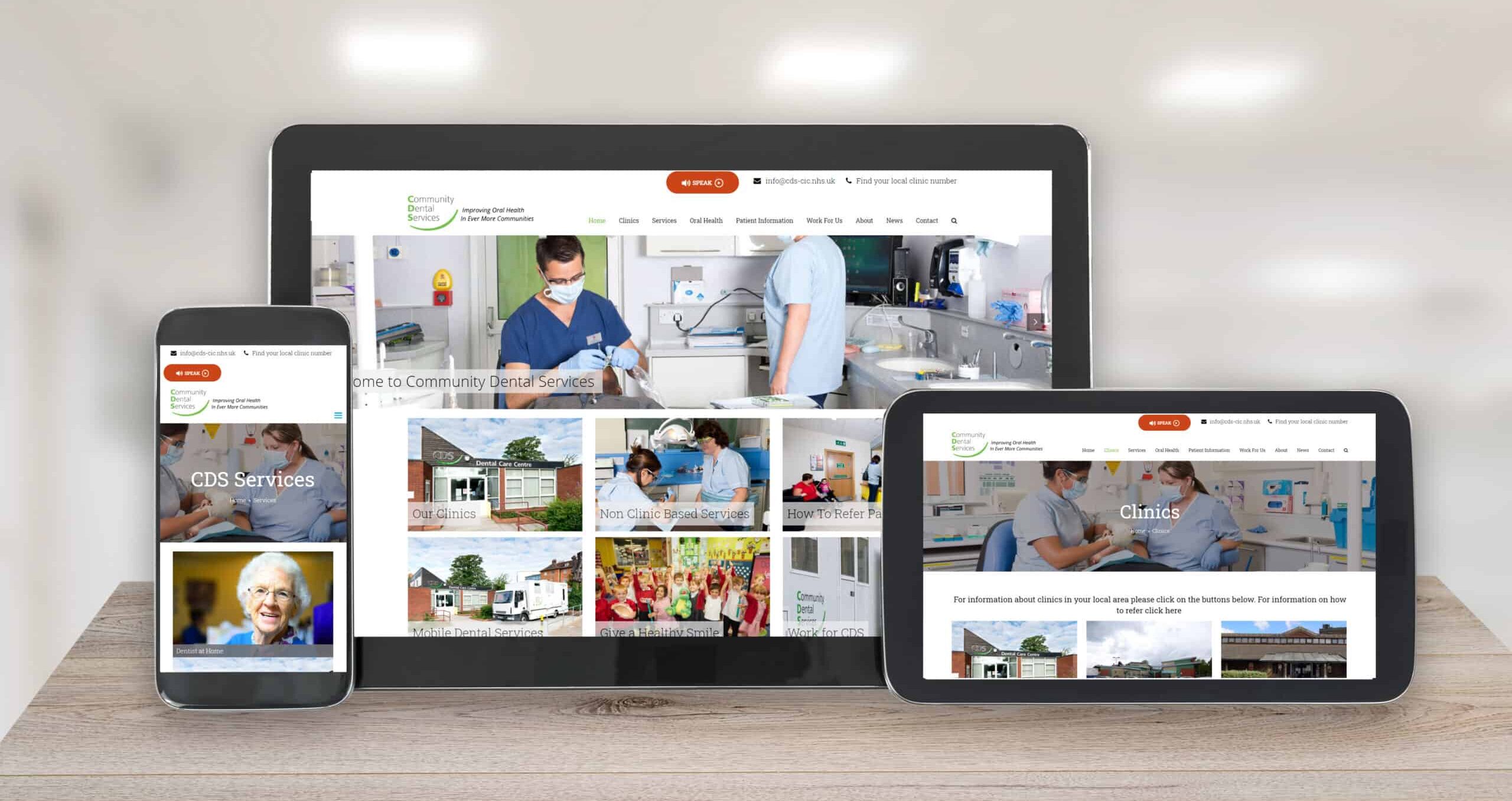
Community Dental Services is an employee owned social enterprise CIC delivering clinical dental and Oral Health Promotion services throughout Bedfordshire, Luton, Norfolk, Waveney, Oxfordshire, Leicestershire, Essex, Lincolnshire, Nottinghamshire and Derbyshire. They provide services from 56 clinics and consistently achieve patient satisfaction rates of 98%.
CDS has grown and changed significantly over the last 5 years. This has been reflected in the website visual deign and functionality. The site has grown extensively and features a detailed job application area, referral capabilities, resource downloads and individual practice information areas.
Blue Dolphin provide first rate service; we are a small marketing team and it is so important to have an external partner who know us well and who can act quickly when we need additional support. They have always been quick to respond, offered solutions and worked with us to constantly improve the site. When new team members have come on board, they have been very happy to offer extra support and training to enable them to become familiar with the WordPress CMS. The back end system is simple and logical to use and it is great there is ready and willing additional support when we need it.’
Brigit Parker, Head of Comminications, CDS-CIC

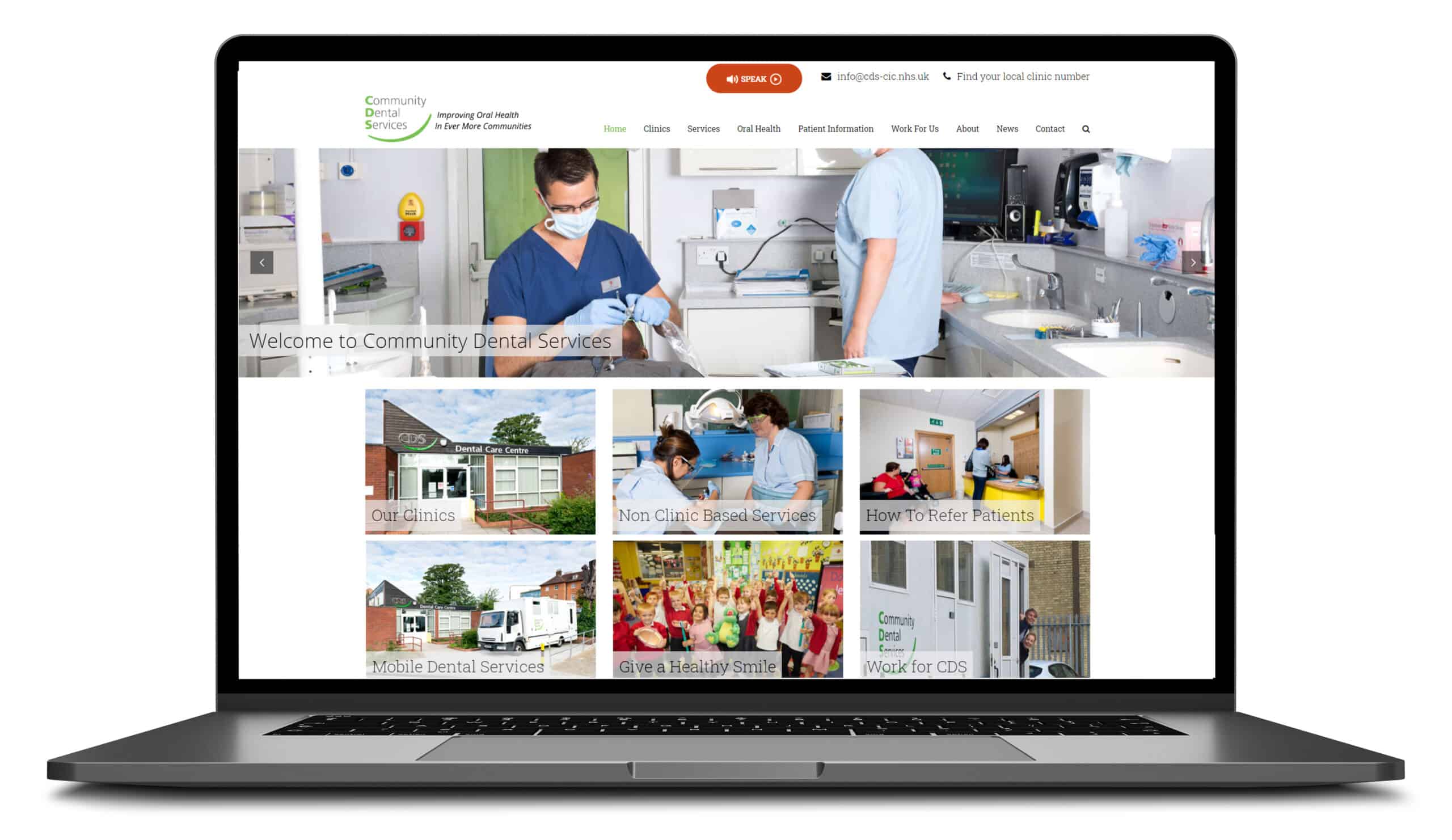
Good website navigation is critical to the success of any website, and is especially important for manufacturing companies looking to attract and retain customers. A well-designed navigation system can help visitors quickly and easily find the information they need, improving their experience and increasing the likelihood that they will become customers.
Here are some of the key reasons why good website navigation is so important:
To ensure good website navigation, it’s important to use clear and intuitive labels, organize content into logical categories, and provide clear and prominent links to important pages. A good navigation system should also be consistent across the site, making it easy for visitors to understand where they are and where they need to go.
In conclusion, good website navigation is an essential element of any successful website, and is critical for improving user experience, enhancing findability, boosting SEO, improving accessibility, and supporting brand identity.
Training with WordPress, one of the most popular content management systems (CMS), is essential for anyone looking to effectively manage and maintain a website. Here are some of the key reasons why training is important:
Training can take many forms, from online courses and tutorials to in-person training sessions and workshops. Whatever form of training is chosen, it’s important to ensure that it covers all of the essential elements of using the WordPress CMS, including website design, content creation, and website management.
In conclusion, training with WordPress is essential for anyone looking to effectively manage and maintain a website. It can help to increase efficiency, improve the user experience, better understand the features and functionality of the CMS, enhance security, and improve website performance.
Designing a website for a business with multiple office locations presents a unique set of challenges that need to be carefully addressed to ensure a seamless user experience and effective communication of the company’s brand and offerings. One significant issue is the need to balance consistency with localisation. Maintaining a consistent visual identity and user interface across all office locations is essential for brand recognition and a unified online presence. However, localisation is equally important to cater to the specific needs and preferences of each location’s audience. Striking the right balance between these two aspects can be complex, requiring careful consideration of design elements, imagery, language, and content.
Navigation and user experience pose another challenge. When a business has multiple locations, the website’s navigation structure must be intuitive enough to guide visitors to the relevant information about each office’s services, contact details, and any location-specific offerings. Implementing clear and concise navigation while avoiding overwhelming visitors with excessive choices demands careful planning and possibly the incorporation of interactive maps or location-based search features.
Content management is a critical concern. Businesses with multiple office locations often need to manage a considerable amount of content to address the unique aspects of each location. Maintaining accurate and up-to-date information, such as addresses, contact details, office hours, and local promotions, requires a robust content management system (CMS). Implementing a CMS that enables easy content updates while ensuring consistent branding and design standards can be a technical challenge.
Responsive design and mobile optimisation are essential aspects of modern website design, and they become even more critical when catering to multiple locations. Each office’s target audience may access the website from various devices, including smartphones and tablets. Ensuring that the website design is responsive and optimised for different screen sizes and orientations is crucial to deliver a seamless experience across devices and locations.
Another potential issue is SEO (Search Engine Optimisation). Businesses with multiple locations need to ensure that their website ranks well in local search results for each office’s geographic area. This involves not only designing the website to be search engine-friendly but also implementing location-specific SEO strategies, such as optimising for local keywords and managing location-based directories and citations.
Lastly, maintaining a cohesive brand image while accommodating local nuances can be challenging. Design choices, colour schemes, and imagery may need to resonate with each location’s cultural and regional preferences. Finding a balance between a consistent brand identity and the incorporation of localised elements can be complex but is crucial for building trust and relatability with diverse audiences.
Designing a website for a business with multiple office locations requires a strategic approach that considers the delicate balance between consistency and localisation, effective navigation, content management, responsive design, SEO, and cultural relevance. Addressing these challenges thoughtfully can result in a website that effectively represents the brand while meeting the specific needs of each location’s audience.
Key Features

Key Features

New Homes Mortgage Broker specialises in mortgage advice from new homes specialists who builders know will get everything done in…

Importers of the Worlds most powerful Electric Commercial Mower range